
How Rewiring Can Add Value to Your Property
When homeowners think about improving or adding value to their property, rewiring rarely comes to mind. Kitchens, bathrooms, and extensions tend to dominate the conversation. Yet when it comes to selling a home or protecting its long-term value, the condition of the electrical system is often far more influential than many people realise.
Electrical wiring isn’t something buyers see immediately, but it plays a significant role in how safe, reliable, and future-proof a home feels. A modern, compliant electrical system reduces uncertainty, lowers perceived risk, and can make the difference between a smooth sale and a difficult negotiation.
Why Buyers Care About Electrical Condition
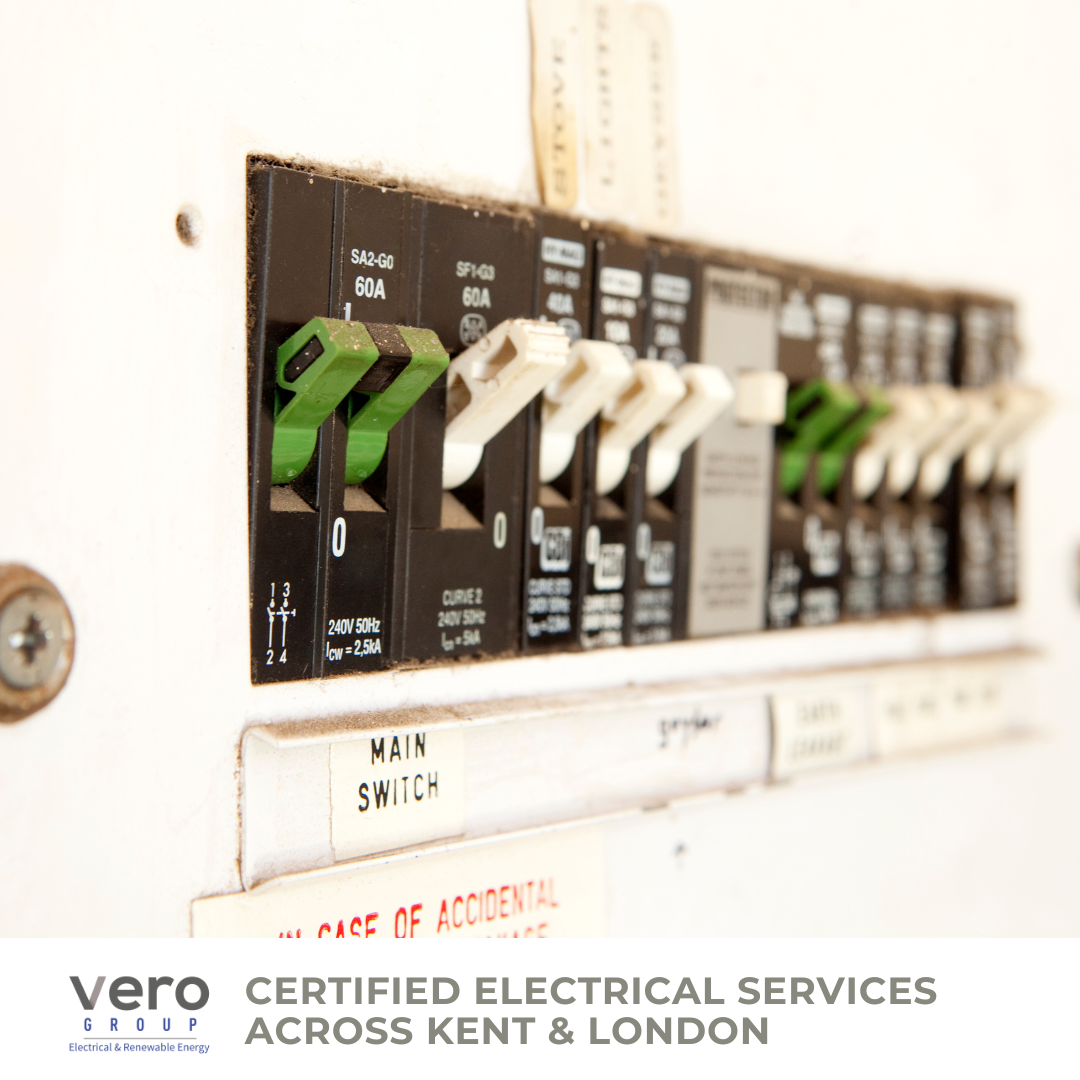
Most buyers want reassurance that a property won’t come with unexpected costs or safety issues. Electrical problems are particularly concerning because they are often hidden behind walls and floors, making them difficult for buyers to assess without professional input.
If a survey or inspection raises concerns about outdated wiring, missing safety features, or lack of certification, buyers often assume the worst. Even if the issues are manageable, uncertainty alone can lead to reduced offers or demands for remedial work before completion.
In contrast, when a home has been professionally rewired and certified, it sends a clear message: the property has been properly maintained and meets modern safety standards.
Rewiring Removes Risk and Doubt
From a buyer’s perspective, rewiring removes one of the biggest unknowns. Modern wiring means circuits are designed to cope with today’s electrical demands, safety devices are in place, and the installation complies with current regulations.
.png)
This reassurance matters because electrical faults carry serious consequences, from fire risk to insurance complications. Buyers don’t want to inherit these concerns, especially if they’re already stretching their budget to purchase a property.
By addressing electrical issues in advance, sellers reduce the chance of last-minute negotiations or delays caused by survey findings.
Does Rewiring Increase the Asking Price?
Rewiring doesn’t usually add a visible “premium” in the same way a new kitchen might, but it plays a crucial role in protecting a property’s value. Homes with outdated wiring often struggle to achieve their full market price, as buyers factor in the cost, disruption, and inconvenience of future rewiring.
In many cases, a rewire helps a property remain competitive rather than directly increasing its price. Buyers comparing similar homes will often favour the one that feels safer and requires less immediate work, even if it costs slightly more.
Electrical Red Flags That Worry Buyers
.png)
- An old or outdated fuse box with no modern safety protection
- No RCD (Residual Current Device) protection on circuits
- Limited number of sockets, leading to heavy use of extension leads
- Frequent tripping of breakers or blown fuses
- Flickering or dimming lights when appliances are in use
- Surface-mounted or visibly patched wiring
- Cracked, discoloured, or warm sockets and switches
- A lack of electrical certification for previous work
- Wiring that hasn’t been updated in 30 years or more
These issues suggest the electrical system may not meet current standards and could require significant investment. Even if buyers don’t fully understand the technical details, the presence of red flags often leads them to proceed more cautiously or request further inspections.
Rewiring as Part of Future-Proofing
Modern homes rely on far more electrical capacity than they did even twenty years ago. Home offices, smart technology, electric vehicles, and energy-efficient lighting all place greater demands on wiring systems.
(1).png)
A modern rewire allows a property to support these needs without relying on extension leads or temporary fixes. For buyers, this signals that the home is ready for modern living rather than lagging behind current expectations.
Future-proofing doesn’t just appeal to tech-focused buyers; it reassures anyone who wants a home that will remain safe and functional for years to come.
When Rewiring Makes the Most Sense
Rewiring is often most valuable when carried out at strategic points, such as before selling, during a major renovation (when the property is going to be empty), or shortly after purchasing an older property. Completing the work during these phases minimises disruption and ensures the electrical system aligns with the home’s current layout and usage.
Leaving rewiring until it becomes unavoidable can limit options and weaken negotiating power during a sale. Buyers may push for price reductions that exceed the actual cost of the work simply because of uncertainty and inconvenience.
The Bottom Line
Buyers may not see new wiring, but they absolutely care about it. A professionally rewired home removes uncertainty, reduces negotiation friction, and makes a property easier to sell in a competitive market.
If you’re considering rewiring as part of a renovation, preparing a home for sale, or simply want to understand whether it’s worthwhile for your property, Vero Group can provide clear, practical advice based on your home’s condition and future plans.
👉 Contact Vero Group to discuss your house rewire and find out whether it could add value to your property.